Download our 2026 Claimant Client Care Report - Click Here to Download

Standard Consulting
Standard Consulting
  • Home
  • About
  • Service Areas
    • Leadership and Planning
    • Digital Transformation
    • Crisis Management and PR
    • LinkedIn and Social Media
    • Team Development
    • Claimant Law Services
  • Cycling
  • More
    • Home
    • About
    • Service Areas
      • Leadership and Planning
      • Digital Transformation
      • Crisis Management and PR
      • LinkedIn and Social Media
      • Team Development
      • Claimant Law Services
    • Cycling
  • Home
  • About
  • Service Areas
    • Leadership and Planning
    • Digital Transformation
    • Crisis Management and PR
    • LinkedIn and Social Media
    • Team Development
    • Claimant Law Services
  • Cycling

Media Training & Camera Skills for Lawyers

Most media training is generic. Ours is designed specifically for the legal sector by the person who managed the media strategy for some of the largest legal stories of the past two decades, including the battle for compensation for Ben Parkinson, the most seriously injured surviving soldier returning from Afghanistan, the Leigh Day SDT hearing and the Natasha's Law campaign.


We don't just teach you ''bridging techniques." We teach you how to handle hostile questioning, navigate SRA regulations, and translate complex legal arguments into headlines.


Learn from the expert who handled the media for some of the largest legal stories of the past 20 years. David Standard is a Crisis Handler who knows what you need to say. He has protected lawyers and clients in the highest-stakes environments imaginable.

We don't just teach you to "look natural" on camera. We teach you the precise engagement strategies used to handle the media whatever your objectives are.

Battle Tested in the Highest Courts

  • The Uber Employment Rights Case: Managed global media relations for the landmark Employment Tribunal and Supreme Court victory that redefined the gig economy.
  • The Mau Mau Torture Claims: Sustained a 5-year media campaign leading to a historic apology from the British Government and compensation for victims of colonial torture.
  • The Nimrod Inquest: Managed media for the families of 14 servicemen, securing a scathing narrative verdict against the MOD regarding the safety of the Nimrod fleet.
  • The "Herceptin" Battle: Orchestrated the media campaign for Anne-Marie Rogers, overturning a Primary Care Trust's refusal to fund life-saving breast cancer medication.
  • Birmingham Equal Pay (Supreme Court): Managed the media strategy for the landmark "Abdulla" judgment, including orchestrating the iconic photographs for 174 female council workers.

"In his handling of the Lance Bombardier Ben Parkinson [pictured] compensation case, David Standard gave a master class in how public relations should be conducted.


Senior Producer, BBC News
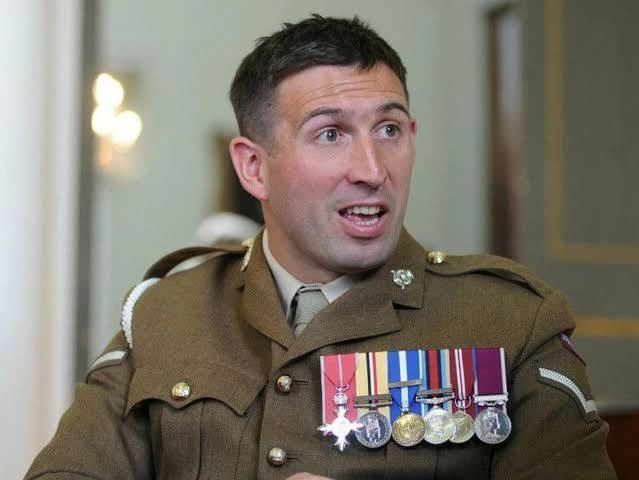
A Picture of Ben Parkinson

More Information

Building a Personal Brand & Profile

Lawyers who avoid media miss chances to build personal and firm profiles, attract clients who see them as experts, influence policy and legal reform, support client causes through public advocacy, and establish themselves as thought leaders in their practice areas.


Avoiding 'No Comment' & PR Disasters

Untrained lawyers accepting interviews risk saying things that breach confidentiality, create regulatory issues, undermine client cases, damage firm reputation, or generate negative coverage that's difficult to reverse. One poor interview can undo years of reputation-building.


Crisis vulnerability

During crises - regulatory investigations, adverse judgments, partner departures, or client complaints - firms need spokespeople who can stay calm under hostile questioning, deliver clear messages consistently, and protect reputation while transparency is demanded. Without training, crisis interviews often worsen situations rather than managing them.


Competitive disadvantage

Competitors who handle media well gain profile, credibility, and client attention. Firms whose lawyers won't engage with media or perform poorly when they do become invisible in their markets, losing instructions to more visible rivals.


Client expectations

Clients in high-profile cases expect their lawyers to communicate their case effectively to media and public. Lawyers who can't or won't do this fail to serve client interests fully and miss opportunities to amplify case impact beyond the courtroom.


Real-World Interview Simulations

Reading about media techniques doesn't work. Lawyers must practice under realistic pressure - facing challenging questions, managing nerves, thinking on their feet, and receiving detailed feedback on what worked and what didn't. Video playback allows lawyers to see themselves as journalists and audiences see them, creating self-awareness that drives improvement.


Legal sector specialisation

Generic media trainers don't understand SRA requirements, client confidentiality obligations, sub judice restrictions, the complexity of legal arguments, or the specific media dynamics lawyers face. Specialised training addresses these unique challenges, ensuring lawyers communicate effectively within appropriate boundaries.


Message discipline over perfection

Effective media communication requires clear, consistent messages delivered authentically - not perfect eloquence or elimination of all nerves. Training focuses on practical techniques lawyers can actually use under pressure: bridging to key messages, flagging important points, staying calm when challenged, and projecting confidence even when feeling nervous.


Understanding the journalist perspective

Lawyers often approach the media defensively, seeing journalists as adversaries trying to trap them. Practical training helps lawyers understand what journalists actually want (clear, quotable answers; human interest; newsworthy angles) and how to provide it while maintaining control of the conversation and serving client interests.


Practice in a safe environment

The time to discover you freeze under pressure, speak in legal jargon nobody understands, or get defensive when challenged is during training, not during a live interview. Simulation creates a safe space to fail, learn, and improve before real stakes.


Contact Us

Drop us a line!

This site is protected by reCAPTCHA and the Google Privacy Policy and Terms of Service apply.

Message us on WhatsApp

Standard Consulting

Phone: 07540332717 email: david@standardconsulting.co.uk

Copyright © 2026 Standard Consulting - All Rights Reserved.

Standard consulting & Training lTd 

company number: 16912584

  • Home
  • Privacy Policy
  • Cycling

Powered by

This website uses cookies.

We use cookies to analyse website traffic and optimize your website experience. By accepting our use of cookies, your data will be aggregated with all other user data.

DeclineAccept